Why Nutrition Coaching is Essential When Taking GLP-1 Medications
GLP-1 medications such as Ozempic®, Wegovy®, Zepbound®, and Mounjaro® have become increasingly popular tools for weight loss and blood sugar management. While these medications can be highly effective, they are often viewed as a complete solution when, in reality, they are only one piece of the puzzle.
Many people experience significant appetite suppression while taking GLP-1 medications. This can certainly help reduce calorie intake, but it can also create new challenges that may slow progress or negatively impact long-term health. This is where working with a nutrition coach becomes invaluable.
Eating Less Doesn't Always Mean Eating Better
One of the most common mistakes people make while taking GLP-1 medications is simply eating less without paying attention to the quality of their nutrition.
When appetite decreases, it's easy to skip meals, eat very little protein, or fail to consume enough vitamins, minerals, and fiber. Over time, this can lead to:
Muscle loss
Low energy levels
Nutrient deficiencies
Slower metabolism
Poor recovery from exercise
A nutrition coach helps ensure that even though you're eating less food overall, you're still getting the nutrients your body needs to function properly.
Protecting Muscle Mass During Weight Loss
Many people focus solely on the number on the scale, but not all weight loss is created equal.
Without adequate protein intake and resistance training, the body can lose muscle along with body fat. Maintaining muscle is important because it supports metabolism, strength, balance, healthy aging, and long-term weight management.
A nutrition coach can help you:
Determine appropriate protein goals
Build meals around protein-rich foods
Pair nutrition with strength training
Preserve lean muscle while losing body fat
The goal isn't simply to become lighter—it's to become healthier and stronger.
Building Habits That Last
GLP-1 medications can be incredibly helpful, but they don't automatically teach healthy eating habits.
Many people eventually reduce their dosage or discontinue the medication. Without sustainable nutrition habits in place, it becomes much easier to regain weight.
Nutrition coaching focuses on long-term success by helping clients learn:
Portion awareness
Meal planning strategies
Grocery shopping skills
Healthy eating patterns
Mindful eating practices
These are the habits that continue to produce results long after the medication is gone.
Managing Common Side Effects
Many GLP-1 users experience side effects such as:
Nausea
Constipation
Bloating
Digestive discomfort
A nutrition coach can help identify foods, meal timing strategies, hydration practices, and nutrient adjustments that may help reduce discomfort and improve overall adherence to the program.
Small adjustments can often make a significant difference in how someone feels day to day.
Creating a Personalized Plan
No two individuals respond to GLP-1 medications the same way. Factors such as age, activity level, medical history, goals, and lifestyle all play a role in determining the best nutrition approach.
A nutrition coach provides personalized guidance rather than relying on generic meal plans or online advice. This individualized support helps clients make adjustments as their needs change throughout their weight-loss journey.
The Bottom Line
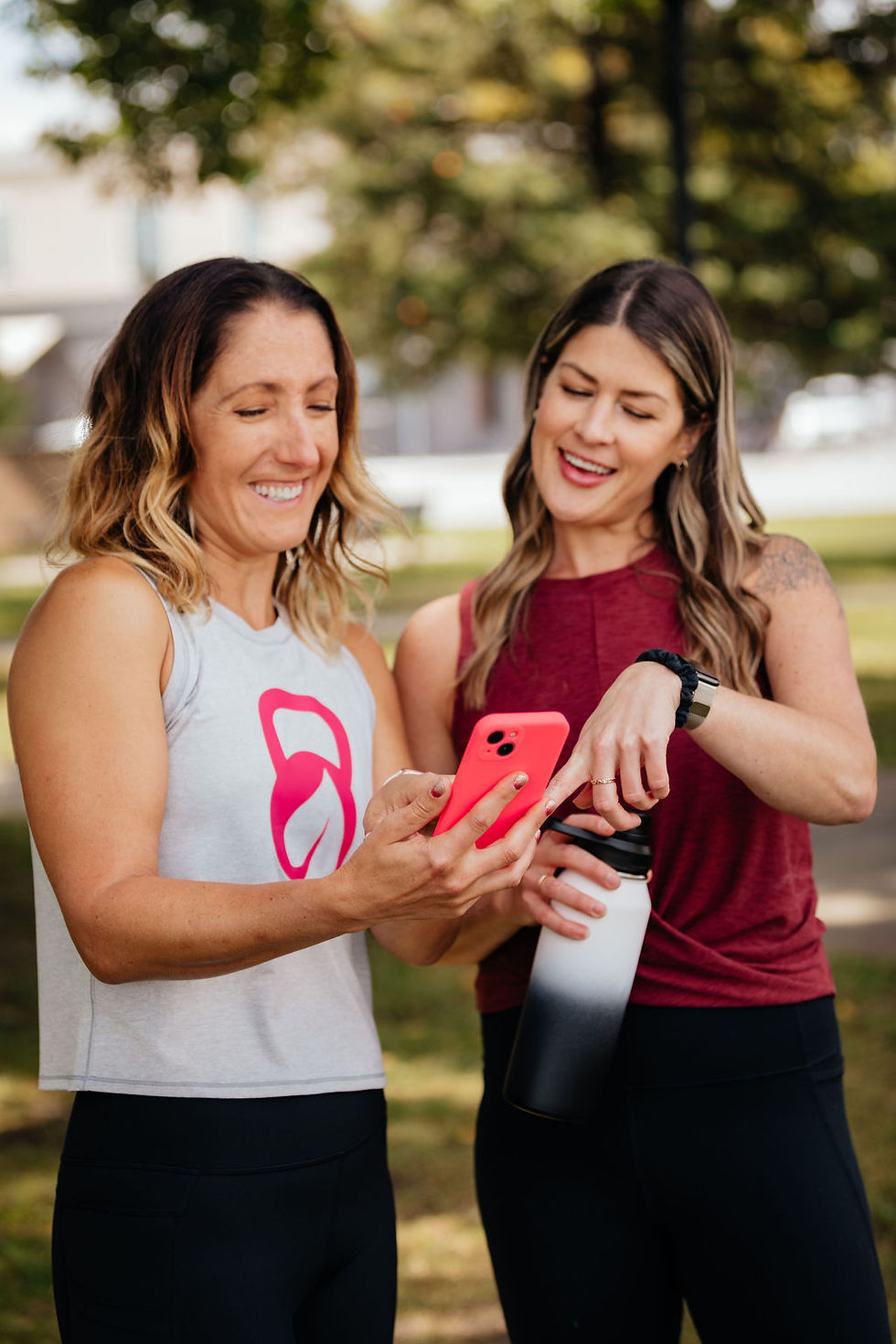
GLP-1 medications can be powerful tools, but they work best when paired with proper nutrition and healthy lifestyle habits.
A nutrition coach helps ensure you're nourishing your body, preserving muscle mass, managing side effects, and developing the habits needed for long-term success. The medication may help reduce appetite, but learning how to fuel your body properly is what creates sustainable results.
If you're currently taking a GLP-1 medication and want guidance on building healthy nutrition habits that support your goals, professional nutrition coaching can help you maximize your results while protecting your long-term health.


